

Best Pistons for Forced Induction Builds
When it comes to optimizing performance in forced induction engine builds, the selection of pistons plays a crucial role. The right pistons can significantly enhance power output, improve engine efficiency, and ensure durability under increased stress and heat. They are not merely components of the engine; they are essential elements that determine the overall success of your build.
Forced induction setups, such as superchargers and turbochargers, push more air into the engine, leading to higher combustion pressures and temperatures. This makes it imperative to choose pistons that can withstand the unique challenges associated with forced induction. Factors such as material composition, piston design, and compression ratio must be carefully considered to achieve optimal performance and reliability.
The best pistons for forced induction applications typically feature reinforced designs and stronger materials, such as forged aluminum or steel, which provide increased strength and thermal resistance. Additionally, advancements in piston technology, including coatings and specialized geometries, have revolutionized the way performance enthusiasts approach engine building. Understanding these elements will empower you to make informed choices that align with your performance goals.
Choosing the Right Material for Performance Pistons
When building a forced induction engine, selecting the appropriate material for performance pistons is crucial for achieving optimal performance and durability. The choice of material affects not only the piston’s strength but also its weight, thermal properties, and resistance to wear.
Aluminum Alloys are the most common choice for high-performance pistons. They offer a favorable strength-to-weight ratio, which helps reduce engine weight and improve throttle response. Aluminum pistons efficiently dissipate heat, decreasing the likelihood of overheating. However, it’s essential to choose high-performance aluminum alloys, such as 2618 or 4032, which provide enhanced strength and thermal resistance. The 2618 alloy is particularly suitable for applications with high boost levels, as it can withstand greater thermal expansion and stress.
Forged vs. Cast Pistons is another vital consideration. Forged pistons are stronger and more resilient than cast pistons, making them ideal for high-performance engines that undergo significant stress. The forging process aligns the metal’s grain structure, resulting in improved tensile strength and resistance to fracture. In contrast, cast pistons, while less expensive, may not handle the demands of forced induction as effectively and can lead to reliability issues in high-output applications.
Coatings also play an essential role in piston performance. Different coatings can enhance the thermal barrier, reduce friction, and increase durability. For example, ceramic coatings can help manage heat more effectively, while anti-friction coatings such as DLC (Diamond-like Carbon) can minimize wear and improve efficiency by reducing drag.
Compression Ratio and design should be tailored to the chosen material as well. High-performance pistons often feature designs that optimize combustion efficiency and minimize detonation. Forged pistons made from strong aluminum alloys allow for higher compression ratios, enhancing power output without sacrificing reliability.
In summary, the right material for performance pistons in a forced induction engine should prioritize strength, thermal stability, and low weight. Forged aluminum alloys, combined with appropriate coatings and optimal design, will deliver the best performance and longevity, ensuring that your engine can handle the demands of high boost levels and aggressive tuning.
Understanding Compression Ratios for Turbocharged Applications
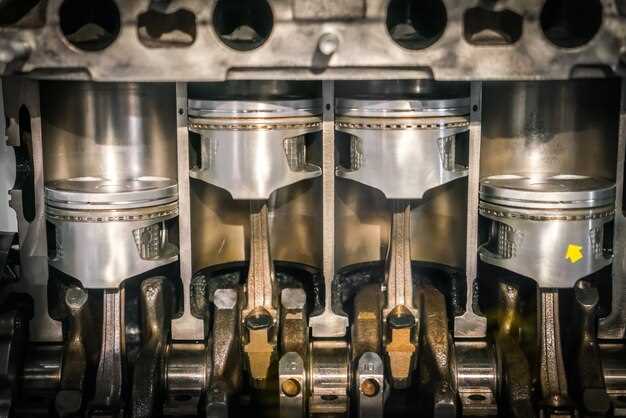
The compression ratio is a critical factor in the performance of turbocharged engines. It is defined as the ratio of the cylinder volume at the bottom of the stroke to the volume at the top of the stroke. For turbocharged applications, selecting the appropriate compression ratio is essential for optimizing power, efficiency, and reliability.
Turbocharged engines benefit from increased airflow and pressure, which enhances combustion efficiency. However, this requires a careful balance. A higher compression ratio generally results in improved thermal efficiency and power output. Alloying high compression with forced induction can lead to knocking, a condition that occurs when the air-fuel mixture ignites prematurely. This is especially concerning in turbo applications where cylinder pressures are elevated.
In turbocharged engines, typical compression ratios range from 8:1 to 10:1. These ratios offer a good compromise between performance and the risk of detonation. If the compression ratio is too high, it can lead to engine knock even with high-octane fuels. Conversely, a low compression ratio can stifle the engine’s performance potential, particularly when boost levels are increased.
Another important aspect to consider is the quality of the fuel used. Higher octane fuels can withstand higher compression ratios without knocking, allowing for more power. Therefore, when designing a turbocharged engine build, it’s crucial to ensure that the fuel system can support the chosen compression ratio.
Turbocharger selection also plays a significant role in how the engine responds to changes in compression ratio. A larger turbo may produce more boost and power at higher RPMs but could require a lower compression ratio to mitigate the risks associated with increased cylinder pressure and heat.
Ultimately, understanding the relationship between compression ratio, boost pressure, and fuel quality is vital for achieving optimal performance in turbocharged applications. Engaging in exhaustive testing to determine the right compression ratio for your specific setup will lead to improved durability and efficiency, ensuring that the engine performs reliably under varying conditions.
Comparing Aftermarket Pistons: Key Brands and Their Offerings
When building a forced induction engine, selecting the right pistons is crucial for achieving optimal performance and reliability. Several aftermarket brands specialize in high-performance pistons, each offering unique features tailored to various needs and applications. Below is an overview of key manufacturers and their standout products.
Wiseco is renowned for its forged pistons that are engineered for strength and durability. Their products often cater to a wide range of applications, from everyday street cars to high-powered race engines. Wiseco pistons feature various compression ratios and coatings to enhance wear resistance and thermal performance, making them a preferred choice for many enthusiasts.
In conclusion, choosing the right aftermarket piston brand can significantly influence the outcome of a forced induction engine build. Each brand offers distinct features, performance benefits, and levels of customization to suit various applications. Enthusiasts must consider factors such as the intended use, power goals, and engine specifications when making their choice.