

Race Dashboard Displays – Features to Look For
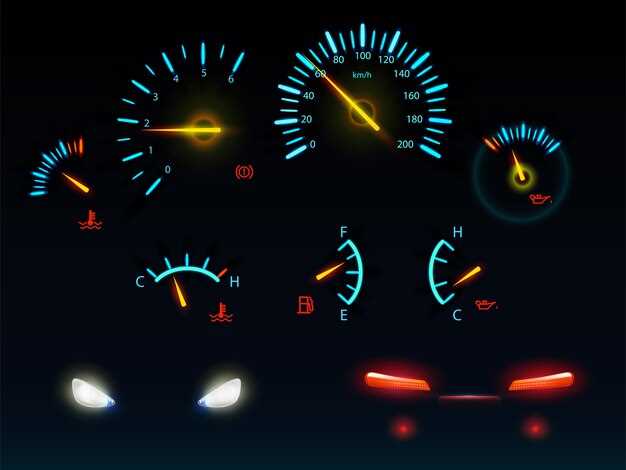
In the fast-paced world of motorsport, the race dashboard display serves as a critical tool for drivers and teams alike. It provides real-time data and insights, which can significantly impact decision-making during a race. When selecting or designing a race dashboard display, it is essential to consider several key features that can enhance performance and safety on the track.
Clarity and Readability are paramount in a race dashboard. The information must be presented in a way that is easy to read at a glance, even at high speeds. This includes using large, bold fonts and color-coded indicators to differentiate between various data points such as speed, RPM, and lap times. A well-organized layout helps drivers quickly assess their performance without distraction.
Customization Options further enhance a dashboard’s effectiveness. Every driver has unique preferences and styles; therefore, having the ability to customize the display allows for a more personalized experience. This could involve rearranging the information layout, changing color schemes, or selecting specific metrics to track. Flexibility in these options can help drivers maintain focus on the track while still accessing the information they find most relevant.
Additionally, integration with telemetry systems is a vital feature. Modern motorsport relies heavily on data analytics, and a race dashboard that can seamlessly connect with telemetry systems provides invaluable feedback. This connection enables teams to analyze performance in real-time, making it easier to implement strategies and adjustments on the fly.
Ultimately, understanding these key features ensures that the race dashboard display not only meets the needs of the driver but also contributes to a more informed and strategic racing experience. With the right tools in place, both drivers and teams can enhance their performance and safety on the track.
Real-Time Data Visualization for Enhanced Decision Making
Real-time data visualization is a crucial aspect of race dashboard displays, enabling stakeholders to make informed decisions promptly. This technology integrates live data streams into easily digestible visual formats, such as charts, graphs, and maps, allowing users to monitor critical metrics at a glance.
The immediacy of real-time information offers several advantages in decision-making processes. First, it facilitates a rapid response to changing conditions. For example, when monitoring race progress, visualizations can quickly display shifts in positions, allowing teams to adjust strategies without delay. This capability is vital in high-stakes environments where timing can influence outcomes significantly.
Moreover, real-time visualizations enhance the interpretability of complex data sets. By presenting information dynamically, users can spot trends and anomalies that might not be immediately apparent from raw data alone. This clarity enables stakeholders to identify patterns, such as performance trends among participants, helping guide tactical decisions based on observed behavior rather than assumptions.
Another key feature is user interactivity. Modern race dashboards often allow users to manipulate visual elements–zooming in on specific data points or filtering results according to various criteria. This interactivity empowers users to tailor their insights and focus on the most relevant information, fostering a deeper understanding of the data at hand.
Integrating predictive analytics with real-time visualization can enhance decision-making further. By analyzing historical data alongside current metrics, dashboards can forecast potential outcomes, giving stakeholders a competitive edge. For instance, understanding the likely impact of various strategies in real time enables teams to prepare adequately for different scenarios as races unfold.
Ultimately, real-time data visualization transforms the way decisions are made in racing contexts. It ensures that stakeholders are equipped with timely, relevant, and actionable insights, leading to more effective strategies and improved performance outcomes.
Customizable Layouts to Suit Different User Needs
Customizable layouts are essential for race dashboard displays as they allow users to tailor the interface to their specific requirements and preferences. By enabling users to rearrange, resize, and select various display components, accessibility and usability can be significantly enhanced. This flexibility is particularly advantageous in dynamic environments where information needs change rapidly, such as during a race.
One of the key aspects of customizable layouts is the ability to incorporate drag-and-drop functionality. Users can effortlessly reposition widgets, graphs, and real-time data feeds, ensuring that the most critical information is always at their fingertips. This intuitive design reduces clutter, prioritizes essential insights, and contributes to quicker decision-making.
Furthermore, the option to save and restore custom layouts enhances user experience. Individuals can create unique setups tailored to specific events or personal preferences, allowing them to switch contexts without losing valuable configurations. This feature promotes efficiency, as users can seamlessly transition between different racing scenarios, maintaining optimal situational awareness.
Another important consideration is responsiveness. Custom layouts should adapt to various screen sizes and resolutions, ensuring that information is conveyed effectively across devices. This is crucial in a highly mobile environment where users might access the race dashboard from smartphones, tablets, or large screens, maintaining usability regardless of the platform.
Lastly, involving user feedback in the customization process can lead to significant improvements. Gathering insights about user preferences and functionality can guide the development of dashboard features, ultimately resulting in a more user-centered design. By prioritizing customization in race dashboard displays, developers can create tools that not only meet but exceed user expectations.
Integration with Other Racing Technologies for Comprehensive Analysis
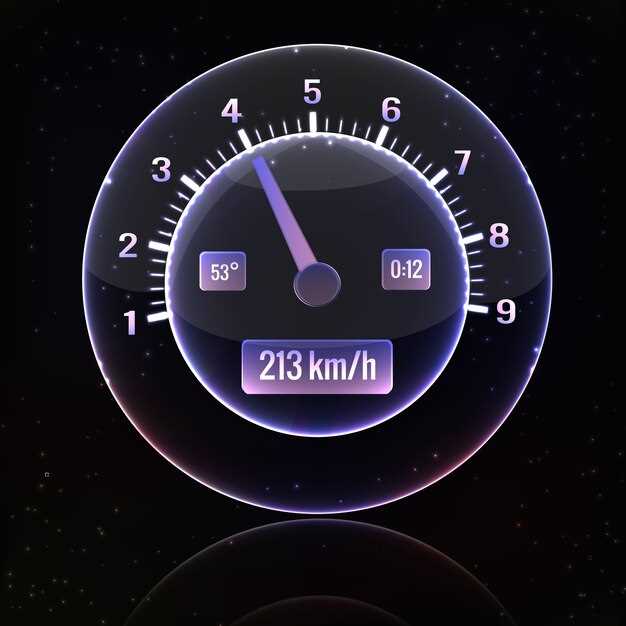
Integrating race dashboard displays with other racing technologies is essential for a holistic analysis of performance metrics. This seamless integration enables users to access real-time data from various sources, enhancing decision-making and strategic planning during races.
One vital component is telemetry systems, which provide detailed information about a vehicle’s behavior on the track. When dashboard displays are synchronized with telemetry data, stakeholders can evaluate parameters such as speed, acceleration, tire wear, and fuel consumption simultaneously. This comprehensive overview allows teams to identify performance trends and make timely adjustments to optimize race strategies.
Furthermore, connecting race dashboards with weather monitoring technologies offers insights into how environmental conditions impact race performance. By analyzing data such as temperature, humidity, and wind speed alongside vehicle metrics, teams can make informed decisions regarding tire selection and race tactics, improving their competitive edge.
Collaboration with simulation software is another pivotal aspect. Integrating dashboard displays with advanced simulators allows teams to develop and test various scenarios before race day. This results in better-prepared strategies, as teams can analyze potential outcomes based on different driving conditions and competitor behaviors.
Additionally, incorporating artificial intelligence and machine learning algorithms into race dashboard displays can significantly enhance predictive analytics. By processing historical data in conjunction with live metrics, these technologies can forecast critical moments in the race, such as pit stop optimization and risk assessment based on the current race context.
Finally, fostering communication between various team members–engineers, drivers, and strategists–through integrated dashboard displays ensures that everyone is on the same page. Sharing insights in real-time enhances collaboration, allowing for quick adjustments and improved overall race execution.
In conclusion, an effective race dashboard display should not exist in isolation. Integrating it with telemetry systems, weather technologies, simulation software, and AI-driven analytics creates a comprehensive toolkit for teams, ultimately leading to enhanced performance and greater chances of success on the track.